Loading
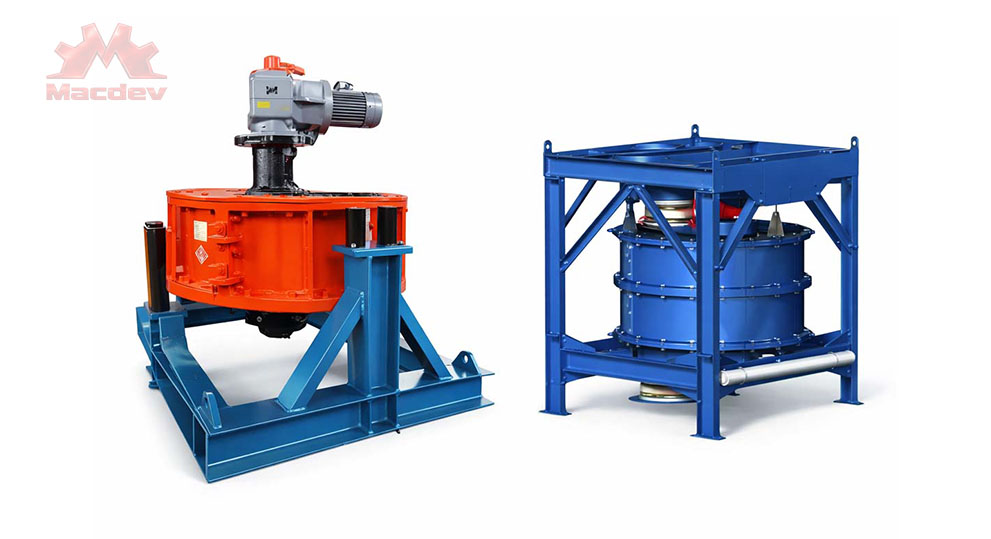
MacDev’s Coal Feeding Systems are engineered to deliver accurate, controlled, and uninterrupted coal flow from storage hoppers or silos to boilers, furnaces, and process units. Designed for demanding power and process industries, these systems ensure stable fuel supply, optimized combustion, and consistent plant performance.
Built with robust mechanical design, high-precision weighing technology, and intelligent controllers, MacDev coal feeders operate reliably under varying load conditions, coal grades, and harsh site environments—making them a critical backbone of modern thermal and captive power plants.
Conventional coal feeding methods often suffer from flow inconsistency, material spillage, and poor control. MacDev systems overcome these challenges by measuring and regulating coal flow in real time, ensuring the right quantity of fuel reaches the process—every minute, every shift.
Coal is extracted from a hopper, bunker, or silo using a Belt Weigh Feeder or Apron Weigh Feeder. High-precision strain gauge load cells continuously measure the material load, while belt or apron speed is monitored through encoders or tachometers.
The intelligent controller calculates the real-time feed rate (TPH) and automatically adjusts the feeder speed via VFD to maintain the setpoint—compensating for variations in coal bulk density, size, and flow behavior. This results in stable, repeatable, and dependable coal feeding.
MacDev Coal Feeding Systems are widely deployed wherever accurate and reliable coal dosing is essential for process stability and energy efficiency.
Our Coal Feeding Systems are trusted by industries where fuel accuracy directly impacts efficiency, emissions, and operating cost.
“Consistent fuel flow is the foundation of efficient energy.”
– MacDev Engineering Solutions
MacDev delivers end-to-end Coal Feeding Solutions— covering system design, manufacturing, installation, commissioning, calibration, and long-term AMC support.
Each system is custom-engineered to match coal characteristics, capacity requirements, and plant layout, ensuring maximum uptime, precise control, and long-term operational confidence.